
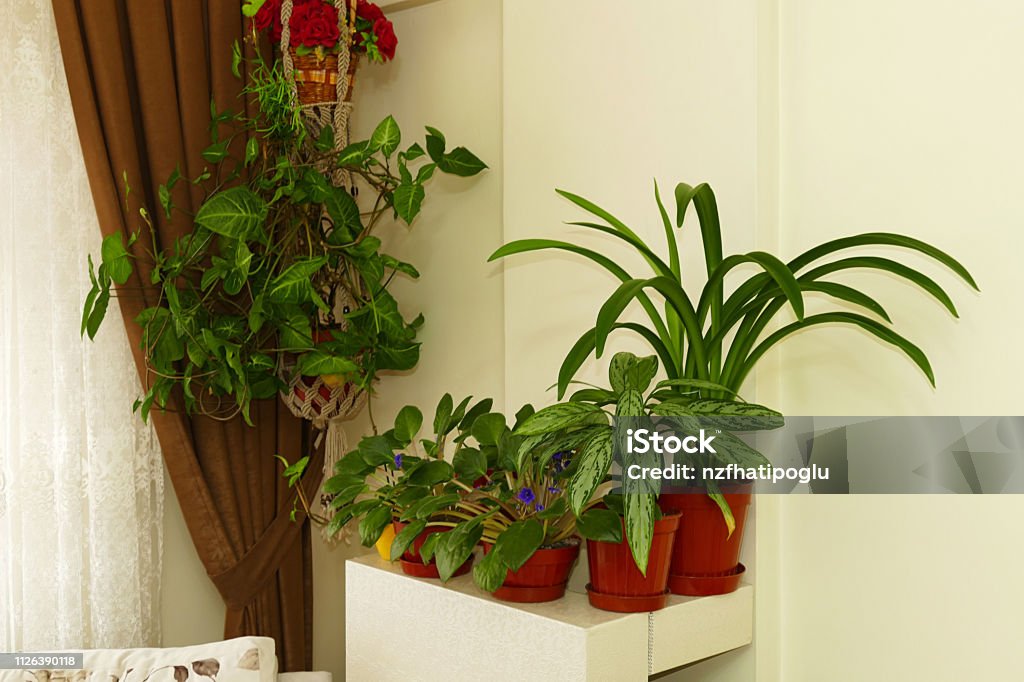
Introduction: Breathe Easier with Nature’s Air Filters
Clean indoor air isn’t just about opening a window or running an air purifier—it’s also about inviting the right green allies into your home. In our modern, tightly sealed living spaces, pollutants from furniture, cleaning products, and even cooking can accumulate, affecting comfort and health over time. Fortunately, certain houseplants don’t just add beauty—they actively help cleanse the air around you.
Back in 1989, NASA conducted a now-famous Clean Air Study that identified several common houseplants capable of removing toxins like benzene, formaldehyde, and trichloroethylene from indoor environments. While later research clarified that you’d need many plants to match the filtration of a mechanical purifier, the benefits are real—especially when combined with good ventilation and low-emission furnishings.
As someone who’s nurtured indoor jungles for over a decade—from cramped city apartments to sun-drenched suburban homes—I’ve seen firsthand how the right plants can lift moods, humidify dry rooms, and even reduce dust. In this guide, you’ll find 10 indoor plants that purify air naturally, along with care tips, realistic expectations, and practical advice to make your space healthier without the hype.
Why Indoor Plants Improve Air Quality
Plants don’t just look pretty—they’re quietly working 24/7. Through photosynthesis, they absorb carbon dioxide and release oxygen. But their air-purifying superpower lies in their ability to pull volatile organic compounds (VOCs) from the air through tiny pores in their leaves. These pollutants are then transported to the roots, where soil microbes break them down.
This natural filtration process, combined with increased humidity from plant transpiration, can lead to fewer airborne irritants and a more comfortable indoor climate—especially during dry winter months.
Top 10 Indoor Plants That Purify Air Naturally
1. Snake Plant (Sansevieria trifasciata)
Why it works:
Nicknamed “mother-in-law’s tongue,” this tough-as-nails plant continues purifying air at night—unlike most plants that only do so during daylight. It’s especially effective against formaldehyde, often found in pressed wood products and cleaning supplies.
Care tips:
Thrives in low light and infrequent watering. Overwatering is the #1 cause of death—let soil dry completely between waterings. Perfect for bedrooms or offices with minimal natural light.
Pros:
- Extremely low maintenance
- Tolerates neglect
- Releases oxygen at night
Cons:
- Toxic to pets if ingested
- Slow growth
2. Peace Lily (Spathiphyllum spp.)
Why it works:
This elegant plant with white blooms excels at removing ammonia, benzene, formaldehyde, and trichloroethylene. It’s also a natural humidifier, releasing moisture vapor through its leaves.
Care tips:
Prefers bright, indirect light and consistently moist (not soggy) soil. Drooping leaves signal thirst—water promptly. Keep away from direct sun to prevent leaf burn.
Pros:
- Beautiful flowers
- Boosts humidity
- Effective against multiple toxins
Cons:
- Toxic to cats and dogs
- Requires more attention than hardy succulents
3. Spider Plant (Chlorophytum comosum)
Why it works:
A champion of air purification, the spider plant reduces levels of carbon monoxide and xylene. It’s also one of the safest options for homes with pets or small children.
Care tips:
Grows well in bright, indirect light but tolerates shade. Water weekly and allow soil to dry slightly between sessions. Produces “pups” that can be potted for free new plants.
Pros:
- Non-toxic
- Fast-growing and prolific
- Adaptable to various conditions
Cons:
- Can look messy if not trimmed
- Sensitive to fluoride in tap water (use filtered if leaf tips brown)
4. Boston Fern (Nephrolepis exaltata)
Why it works:
Known for its feathery fronds, the Boston fern acts like a natural humidifier while filtering out formaldehyde and xylene. Ideal for dry climates or heated homes.
Care tips:
Needs high humidity and consistent moisture. Mist regularly or place on a pebble tray with water. Keep in medium to bright indirect light—never direct sun.
Pros:
- Pet-friendly
- Excellent humidifier
- Graceful, lush appearance
Cons:
- Higher maintenance
- Can drop leaves if too dry
5. Rubber Plant (Ficus elastica)
Why it works:
With large, glossy leaves, the rubber plant efficiently removes airborne mold spores and bacteria in addition to formaldehyde.
Care tips:
Prefers bright, indirect light. Water when the top inch of soil feels dry. Wipe leaves occasionally with a damp cloth to keep pores clear for optimal air exchange.
Pros:
- Dramatic, statement-making foliage
- Effective mold reducer
- Long-lived
Cons:
- Sap is mildly toxic
- Sensitive to cold drafts
6. Areca Palm (Dypsis lutescens)
Why it works:
NASA listed this tropical beauty as one of the best air-purifying plants. It excels at removing toluene and xylene while adding significant moisture to dry rooms.
Care tips:
Place in bright, filtered light. Keep soil evenly moist in spring/summer; reduce in winter. Loves humidity—mist often or use a humidifier nearby.
Pros:
- Non-toxic
- Natural humidifier
- Brightens dim corners
Cons:
- Grows large (up to 6–7 feet indoors)
- Needs space and consistent care
7. English Ivy (Hedera helix)
Why it works:
Research from the American College of Allergy, Asthma & Immunology found English ivy can reduce airborne mold by up to 94% in 12 hours—making it ideal for bathrooms or basements.
Care tips:
Prefers cool rooms and bright, indirect light. Allow soil to dry slightly between waterings. Trim regularly to control trailing vines.
Pros:
- Excellent for mold-prone areas
- Grows well in hanging baskets
Cons:
- Toxic to pets
- Can be invasive outdoors
8. Bamboo Palm (Chamaedorea seifrizii)
Why it works:
This slow-growing palm filters benzene, formaldehyde, and trichloroethylene. Its upright fronds add a tropical feel without overwhelming small spaces.
Care tips:
Place in medium to bright indirect light. Water when the top inch of soil is dry. Avoid cold drafts and dry heat.
Pros:
- Pet-safe
- Compact and elegant
- Tolerates lower light
Cons:
- Sensitive to overwatering
- Slow grower
9. Aloe Vera
Why it works:
Beyond soothing sunburns, aloe vera helps clear formaldehyde and benzene from the air. It also emits oxygen at night, making it a smart bedroom choice.
Care tips:
Needs bright, sunny windows (south or west-facing ideal). Water deeply but infrequently—every 2–3 weeks. Use well-draining cactus soil.
Pros:
- Medicinal uses
- Low water needs
- Nighttime oxygen release
Cons:
- Toxic to pets
- Sunburns easily if moved abruptly
10. Dracaena (Dracaena spp.)
Why it works:
With over 40 varieties, dracaena plants (like “Janet Craig” or “Warneckii”) are proven formaldehyde removers. Their tall, architectural forms fit well in corners or near desks.
Care tips:
Prefers medium light—not direct sun. Water when the top 50% of soil is dry. Avoid fluoride-heavy tap water to prevent leaf tip burn.
Pros:
- Striking visual appeal
- Long-lasting
- Effective toxin remover
Cons:
- Toxic to cats and dogs
- Sensitive to fluoride and chlorine
How to Maximize Air-Purifying Benefits: A Simple Step-by-Step Guide
- Choose 2–3 plants per 100 square feet
While one plant won’t transform your air quality, grouping several boosts impact. Prioritize rooms where you spend the most time—bedrooms, living rooms, home offices. - Keep leaves dust-free
Wipe leaves monthly with a damp cloth. Dust clogs stomata (leaf pores), reducing air exchange efficiency. - Use healthy soil and proper pots
Well-draining soil with good microbial activity enhances toxin breakdown. Avoid plastic pots if possible—terracotta allows better root aeration. - Rotate plants seasonally
Move sun-loving species near windows in winter; shift shade-tolerant ones forward in summer to prevent stress. - Combine with ventilation
Open windows when weather permits. Plants complement—but don’t replace—fresh air circulation.
FAQs: Your Air-Purifying Plant Questions, Answered
1. How many indoor plants do I need to noticeably purify the air?
While NASA’s study suggested 15–18 plants per 1,800 square feet for significant VOC reduction, real-world results vary. For most homes, 3–5 well-placed, healthy plants per room can meaningfully improve air freshness, humidity, and psychological well-being. The key is consistency—not quantity alone. Think of plants as part of a holistic approach: reduce chemical cleaners, ventilate regularly, and choose low-VOC furniture.
2. Are air-purifying plants safe for pets?
Not all are. Lilies, dracaenas, and snake plants can cause vomiting or lethargy in cats and dogs if chewed. Safe options include spider plants, Boston ferns, areca palms, and bamboo palms. Always check the ASPCA’s toxic plant database before bringing a new plant home. If you have curious pets, place plants on high shelves or in hanging planters.
3. Can indoor plants replace an air purifier?
Not entirely. Mechanical HEPA air purifiers remove particles like dust, pollen, and smoke more efficiently than plants. However, houseplants excel at neutralizing gaseous pollutants (VOCs) that filters often miss. For best results, use both: an air purifier for allergens and plants for chemical off-gassing from new rugs, paints, or upholstery.
4. Why are my air-purifying plants not thriving indoors?
Common issues include incorrect light, overwatering, or poor drainage. Most “air-purifying” plants originate from tropical forests—they prefer indirect light, not harsh sun, and moist (not soggy) soil. If leaves yellow or drop, reassess light and watering habits. Also, avoid placing plants near AC vents or radiators, which cause stress.
5. Do fake plants offer any air-cleaning benefits?
No. While high-quality faux plants add greenery without maintenance, they don’t perform photosynthesis, absorb toxins, or release moisture. They’re purely decorative. If you lack light or time for live plants, consider an air purifier instead—but don’t expect the biophilic (nature-connected) mood boost that real plants provide.
Conclusion: Grow Cleaner Air, One Leaf at a Time
Indoor plants that purify air naturally offer more than just a cleaner atmosphere—they bring life, calm, and a sense of connection to nature, especially in urban settings. While they’re not a magic solution, they’re a scientifically supported, affordable, and beautiful part of a healthier home ecosystem.
Start with one or two easy-care varieties like spider plants or snake plants. Observe how they respond to your space, learn their rhythms, and gradually build your green sanctuary. Over time, you’ll not only breathe easier—you’ll feel it too.
About the Author
Emma Lin is a horticulturist and sustainable living advocate with over 12 years of experience growing indoor and outdoor gardens in diverse climates—from New York lofts to Pacific Northwest homesteads. She holds a degree in Environmental Science and writes practical, research-backed guides to help everyday people live greener without overwhelm. Her work has appeared in national gardening magazines and eco-lifestyle blogs. When she’s not repotting ferns, you’ll find her hiking with her rescue dog, Milo.