
Introduction
Living in a compact apartment or having a small backyard shouldn’t stop you from enjoying the satisfaction of growing your own food and flowers. After years of experimenting with balcony gardens and helping dozens of urban dwellers transform their limited spaces into productive green havens, I’ve learned that creative thinking often produces better results than having acres of land.
The beauty of small-space gardening lies in its accessibility. You don’t need extensive knowledge or expensive equipment to start. What you need is understanding how to maximize every square inch, choosing plants wisely, and applying techniques that work specifically for confined areas. This guide shares proven methods that have helped countless beginners successfully grow herbs, vegetables, and ornamentals in spaces as small as a windowsill.
Understanding Your Growing Environment
Before purchasing a single seed, spend time observing your available space. Walk through your area at different times throughout the day, noting where sunlight falls and for how many hours. Most edible plants require at least six hours of direct light, though leafy greens and herbs can manage with less.
Check your exposure direction. South-facing spots receive the most intense light, perfect for tomatoes and peppers. East-facing areas get gentler morning sun, ideal for lettuce and spinach. North-facing spaces work well for shade-tolerant plants like ferns and certain herbs.
Consider microclimates within your small area. Corners near buildings might stay warmer, while areas near air conditioning units could be cooler. Wind patterns matter too, especially on balconies above the third floor where gusts can damage delicate plants.
Vertical Growing Strategies That Actually Work
Wall-Mounted Solutions
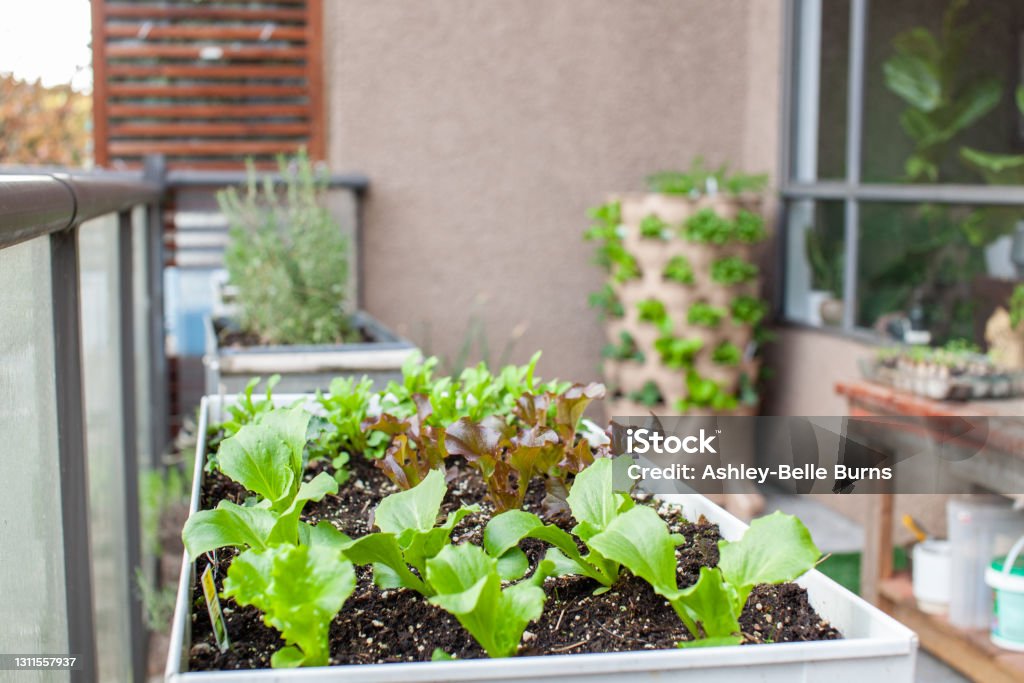
Vertical gardens revolutionize how we think about growing space. Instead of spreading outward, build upward using walls, fences, and railings. Pocket planters made from fabric hang flat against walls and accommodate dozens of plants in just a few square feet.
Trellis systems support climbing vegetables like cucumbers, peas, and pole beans. A simple bamboo tepee occupies one square foot at its base but provides several feet of growing surface. Train vining plants upward using soft ties, checking weekly to guide new growth.
Living walls create stunning displays while producing food. Modular systems with built-in irrigation make maintenance easier, though DIY versions using repurposed pallets or gutters work equally well. Mount these securely, as soil and water add considerable weight.
Stacking and Tiered Arrangements
Tiered plant stands multiply your growing area without consuming additional floor space. Place taller plants on lower levels where they won’t shade smaller ones above. This arrangement also creates visual interest and makes watering more convenient.
Stackable planters designed specifically for strawberries work beautifully for herbs and trailing flowers too. Each tier receives adequate light while the vertical structure saves precious ground space. Position these where they’ll get consistent sunlight on all sides.
Hanging baskets suspend plants at eye level or higher, freeing up surface area below. Choose trailing varieties like cherry tomatoes, strawberries, or cascading flowers. Remember that hanging containers dry out faster and may need daily watering during hot weather.
Container Selection and Soil Management
Choosing the Right Vessels
Container selection directly impacts plant health and your maintenance workload. Bigger generally works better because larger soil volumes retain moisture longer and provide more nutrients. For tomatoes, aim for containers holding at least five gallons. Herbs thrive in one to two-gallon pots.
Material matters beyond aesthetics. Terracotta breathes beautifully but dries quickly. Plastic retains moisture longer and weighs less, important for balcony weight limits. Fabric grow bags promote excellent root health through air pruning and fold flat for storage during off-seasons.
Drainage ranks as the single most critical feature. Every container must have holes allowing excess water to escape. Without proper drainage, roots sit in waterlogged soil, leading to rot and plant death. If you fall in love with a container lacking holes, use it as a decorative outer pot with a properly draining inner pot.
Soil Quality Makes the Difference
Skip garden soil for containers. It compacts in pots, suffocating roots and creating drainage problems. Instead, use potting mix formulated specifically for containers. These blends contain peat moss or coconut coir, perlite, and vermiculite, creating the light, fluffy texture container plants need.
Add compost to boost nutrition and improve moisture retention. Mix in about twenty percent compost by volume. This organic matter feeds beneficial microorganisms and releases nutrients slowly over time.
Consider mixing in moisture-retaining crystals for containers that dry out quickly. These polymers absorb water when you irrigate, then release it gradually as soil dries. They’re especially helpful for hanging baskets and during hot weather.
Smart Plant Selection for Limited Areas
Compact Vegetable Varieties
Plant breeders have developed numerous dwarf and bush varieties perfect for containers. Bush beans produce heavy yields without requiring supports. Determinate tomatoes stay compact compared to their sprawling indeterminate cousins.
Look for descriptors like patio, dwarf, compact, or bush when selecting varieties. Cherry tomatoes outperform larger types in pots, producing abundant fruit over long periods. Varieties like ‘Tiny Tim’ reach only sixteen inches tall while still producing delicious tomatoes.
Leafy greens provide the best return on space investment. Lettuce, spinach, arugula, and kale grow quickly and you can harvest outer leaves continuously without killing the plant. This cut-and-come-again approach extends your harvest over weeks.
Herbs for Continuous Harvest
Herbs deliver intense flavor from small plants, making them perfect for compact gardens. Basil thrives in warm, sunny spots and responds to frequent harvesting by producing more leaves. Pinch off flower buds to keep plants producing.
Mediterranean herbs like rosemary, thyme, and oregano tolerate drier conditions and require less frequent watering. These perennials return year after year in mild climates, providing reliable harvests with minimal effort.
Mint grows aggressively, actually benefiting from container confinement that prevents it from taking over. Plant different varieties like peppermint, spearmint, and chocolate mint in separate pots to enjoy diverse flavors.
Watering Techniques for Container Gardens
Small containers dry out faster than ground gardens, sometimes requiring daily watering during summer. Check moisture by inserting your finger two inches into the soil. If it feels dry at that depth, water thoroughly until liquid drains from the bottom.
Morning watering allows foliage to dry before nightfall, reducing disease risk. Direct water at the soil surface rather than spraying leaves. Drip irrigation systems or soaker hoses automate this process, delivering consistent moisture while conserving water.
Self-watering containers feature built-in reservoirs that supply moisture from below through capillary action. These systems maintain even moisture levels and reduce watering frequency to once or twice weekly. They work especially well for people with unpredictable schedules.
Mulch container surfaces with compost, shredded bark, or straw to slow evaporation. This layer also moderates soil temperature and suppresses weeds that might germinate in your potting mix.
Fertilizing in Confined Spaces
Container plants exhaust nutrients faster than garden-grown ones because frequent watering leaches minerals from potting mix. Begin fertilizing about four weeks after planting once initial nutrients from fresh mix diminish.
Liquid fertilizers diluted in water provide quick nutrition and even distribution. Fish emulsion and seaweed extracts offer balanced nutrients plus trace minerals. Apply every two weeks during active growth periods.
Slow-release granular fertilizers sprinkled on soil surfaces feed plants for several months. These pellets break down gradually with each watering, providing steady nutrition without frequent applications. They work well for busy gardeners who might forget regular liquid feeding.
Compost tea brewed from finished compost delivers nutrients while introducing beneficial microorganisms. Steep compost in water for several days, strain, and apply the liquid to your plants. This organic approach builds soil health alongside feeding plants.
Dealing With Common Challenges
Pest Management in Small Spaces
Inspect plants regularly for early signs of pest problems. Catching issues early makes them easier to control. Look under leaves where many insects hide and check new growth where aphids congregate.
Companion planting deters pests naturally. Marigolds repel various insects, while strongly scented herbs like basil confuse pests seeking host plants. Nasturtiums act as trap crops, attracting aphids away from vegetables.
Handpicking removes pests without chemicals. Drop insects into soapy water rather than crushing them on plants. For larger infestations, spray plants with water to dislodge pests, or use insecticidal soap targeting soft-bodied insects.
Disease Prevention
Good air circulation prevents many fungal diseases. Space containers adequately and avoid crowding plants within pots. Position fans to move air gently around plants in enclosed spaces like covered balconies.
Water at soil level rather than overhead to keep foliage dry. Wet leaves create conditions where fungal spores germinate and spread. Remove any diseased leaves immediately to prevent spread to healthy tissue.
Rotate plant families each season even in containers. Don’t plant tomatoes in the same pot where tomatoes grew last year. This practice breaks disease cycles and prevents nutrient depletion specific to plant families.
Seasonal Planning and Succession Planting
Maximize productivity by planning what grows when. Cool-season crops like lettuce, peas, and radishes thrive in spring and fall. Replace them with heat-loving tomatoes, peppers, and basil during summer months.
Succession planting ensures continuous harvests rather than feast-or-famine situations. Plant new lettuce seeds every two weeks for steady salad supplies. Replace spent plants immediately with new ones matched to the current season.
Consider quick-maturing varieties that produce harvests in thirty to forty days. Radishes, baby lettuce, and certain Asian greens fit multiple plantings into a single season. These rapid producers work perfectly for impatient gardeners wanting quick results.
Creative Space Solutions
Windowsill Gardens
Sunny windows support surprising amounts of food production. Wide sills accommodate multiple small pots of herbs and microgreens. Attach narrow shelves below windows to double growing space without blocking light.
Window boxes mounted outside maximize indoor light while keeping plants close for easy care. Ensure these are securely fastened and check local regulations regarding exterior installations. Choose shallow-rooted plants like herbs, lettuce, and flowers for these containers.
Railing and Fence Planters
Special planters hook over balcony railings or fence tops, utilizing otherwise wasted space. These containers work well for trailing plants and herbs. Verify weight limits for balconies and ensure planters attach securely to prevent accidents.
Fence-mounted boxes transform vertical surfaces into productive growing areas. Attach these at comfortable working height to make planting, maintenance, and harvesting easier on your back. Use these spaces for plants that tolerate some shade if fences don’t receive full sun.
Under-Utilized Corners
Corner areas often go unused but can accommodate tiered plant stands or corner-specific shelving units. These spots work well for shade-tolerant herbs and leafy greens if light is limited.
Space beneath outdoor furniture like benches can house containers of trailing plants or shade-lovers. Just ensure adequate air circulation and check plants regularly since these spots might be overlooked during routine maintenance.
Frequently Asked Questions
How much space do I actually need to start a productive container garden?
You can begin growing food with as little as two square feet of space receiving adequate sunlight. A single five-gallon container measuring roughly twelve inches in diameter produces enough tomatoes for fresh eating throughout summer, while a standard windowsill accommodates several herb pots providing seasoning for daily cooking. The key is maximizing vertical space and choosing productive varieties suited to containers. Many successful balcony gardeners produce impressive harvests from areas smaller than a typical closet by using vertical trellises, stacking containers, and succession planting. Focus on plants you actually eat regularly rather than trying to grow everything, and you’ll be surprised how much a small space produces.
What vegetables give the best yields in limited container spaces?
Cherry and grape tomatoes consistently rank as top producers, with single plants generating pounds of fruit from five-gallon containers. Leafy greens like lettuce, spinach, arugula, and Swiss chard provide exceptional returns because you harvest outer leaves continuously while plants keep producing. Bush beans yield heavily from relatively small containers without requiring support structures. Herbs deliver the most value per square inch since small amounts provide intense flavor, and plants like basil respond to frequent harvesting by producing more. Radishes mature in just thirty days and fit into tiny spaces between larger plants. Peppers, both sweet and hot, produce prolifically in containers and ornamental varieties double as decorative elements. Avoid space-hungry crops like sprawling winter squash, large pumpkins, and corn which need substantial room to produce worthwhile harvests.
How do I prevent my small garden from looking cluttered and messy?
Establish visual cohesion by selecting containers in complementary colors and styles rather than using random mismatched pots. Grouping similar containers creates intention rather than looking haphazard. Arrange plants at varying heights using stands, shelves, and hanging baskets to create layers that feel organized rather than cramped. Keep maintenance current by removing dead leaves, spent flowers, and finished plants promptly. Designate specific areas for tools and supplies rather than leaving items scattered around. Use attractive mulch to cover soil surfaces, creating a finished appearance. Train vining plants onto trellises rather than letting them sprawl chaotically. Label plants with matching tags for a unified look while helping you remember varieties. Limit your plant palette to avoid overwhelming small spaces, perhaps focusing on a few types that work well together. Clean containers annually and repaint or replace worn ones to maintain a fresh appearance.
Can I grow vegetables successfully in shady areas or north-facing balconies?
While sunny spots produce the most abundant harvests, several crops tolerate and even appreciate shade. Leafy greens including lettuce, spinach, arugula, and kale grow well with just three to four hours of direct light, and actually benefit from afternoon shade in hot climates that prevents bolting. Many herbs like parsley, cilantro, chives, and mint accept partial shade and produce flavorful leaves. Peas prefer cooler conditions and manage with less intense light. Asian greens including bok choy and mizuna thrive in shadier conditions. Microgreens require minimal light and mature quickly on windowsills. While you won’t grow tomatoes or peppers successfully without ample sun, shade-tolerant crops still provide fresh, homegrown food. Focus on cool-season vegetables, position plants to capture available light, and use reflective surfaces like white walls or mirrors to bounce additional light toward plants.
What are the biggest mistakes beginners make with small-space gardening?
Overwatering kills more container plants than any other issue because new gardeners water on schedules rather than checking soil moisture. Many beginners also overcrowd containers, planting too many seedlings in single pots where they compete for nutrients and light. Starting with too many plants simultaneously leads to overwhelming maintenance and wasted effort on crops the gardener doesn’t actually enjoy eating. Choosing inappropriate varieties like sprawling indeterminate tomatoes instead of compact bush types wastes space and creates frustration. Skipping drainage holes or using garden soil instead of potting mix dooms plants from the start. Many people position containers based on aesthetics rather than light requirements, placing sun-loving tomatoes in shady corners. Neglecting fertilization causes poor production since container soil exhausts nutrients quickly. Beginners often give up after initial failures instead of understanding that every gardener kills plants while learning. Start small with just a few containers of easy crops like herbs and lettuce, master basic techniques, then expand as your confidence grows.
How can I garden in a small space on a tight budget?
Start seeds instead of buying transplants, as seed packets costing a few dollars produce dozens of plants. Save containers from purchased plants or ask local nurseries for their empty pots. Repurpose household items like storage totes, buckets, and large food containers as planters after drilling drainage holes. Make potting mix more affordable by buying large bags and stretching them with garden soil and compost, though pure potting mix works better. Create your own compost from kitchen scraps rather than purchasing bags. Build simple trellises from bamboo stakes and twine instead of expensive metal structures. Swap seeds and transplants with fellow gardeners through community groups and online forums. Collect rainwater in barrels rather than using treated tap water. Make liquid fertilizer by steeping compost in water. Shop end-of-season sales for deeply discounted supplies and containers. Focus first on perennial herbs that return annually rather than annuals requiring yearly replanting. Join community garden waiting lists for access to shared space, tools, and knowledge. Remember that even basic setups produce food that quickly recoups initial investments.
Conclusion
Growing food and flowers in small spaces requires creativity rather than compromise. The techniques shared here come from real experience transforming balconies, patios, and tiny yards into productive gardens that provide fresh herbs, vegetables, and beauty throughout growing seasons.
Start with a few containers of plants you genuinely want to eat or enjoy. Master the basics of watering, feeding, and maintenance before expanding. Pay attention to what works in your specific conditions and adjust accordingly. Every space has unique challenges and opportunities that you’ll discover through observation.
Small-space gardening often creates deeper connections with plants because proximity lets you notice daily changes and respond to needs immediately. The limited scale makes it manageable rather than overwhelming, perfect for busy people wanting homegrown food without extensive time commitments.
Your compact garden will evolve as you learn what thrives in your conditions and develop systems that work with your lifestyle. Embrace the process, celebrate successes, and treat failures as learning opportunities. The satisfaction of eating food you grew yourself makes every effort worthwhile, regardless of space constraints.
About the Author
Maria Chen is an urban gardening educator who has spent over a decade helping city dwellers grow food in apartments, condos, and small yards. After transforming her own fourth-floor balcony into a productive garden yielding vegetables year-round, she began teaching container gardening workshops in her community. Maria holds certifications in sustainable agriculture and has contributed to several gardening publications focused on making food production accessible to everyone regardless of space limitations. She lives in a small urban apartment where her balcony garden continues to serve as a living laboratory for testing new techniques and varieties.